Many marina owners don’t realize that small layout choices today can become costly problems tomorrow. From where docks are placed to how power and storage areas are configured, each decision impacts labor, maintenance, and customer satisfaction. Smart marina layout design reduces repair costs, operational headaches, and complaints while improving overall efficiency. Here’s how strategic dock planning and power placement can protect your investment and keep your marina running smoothly for years.
Key Takeaways
- Marina Layout design affects long-term operating costs
- Dock placement impacts traffic flow, maintenance, and safety
- Strategic dock power placement reduces labor and repair needs
- Smart storage and service dock positioning saves time and money
- Dock Boxes Unlimited helps plan layout with multiple marinas for maximum efficiency and durability to last over time
Why Marina Layout Design Matters
A well-planned marina layout design supports safer docking, smooth traffic flow, and easier day-to-day management. When dock space, slip alignment, and navigational lanes are carefully organized, boat owners can move through your marina with confidence. It also helps your team work more efficiently and keeps maintenance predictable.
When dock planning is rushed or poorly thought out, you may experience ongoing problems such as:
- Frequent boat collisions or docking issues due to tight turns or poorly aligned slips
- Excessive labor for moving equipment or boats because the layout limits access
- Higher maintenance costs for infrastructure caused by uneven wear and congestion
- Customer complaints that affect your reputation and future growth
Taking time to plan your marina layout carefully helps control marina infrastructure costs and creates a safer, more organized environment for everyone who uses your docks.
Marina Design Areas to Focus On
When you design a marina, every section of your layout plays a role in how well it performs. Smart dock planning protects your investment, improves safety, and keeps daily operations running smoothly. Focusing on the right structural and traffic elements from the start helps reduce marina infrastructure costs over time.
Dock Placement and Orientation
The placement and direction of your docks affect more than just appearance. Proper dock placement supports healthy water circulation, which helps reduce debris buildup around floating docks and makes maintenance easier over time. Orientation also impacts how easily boat owners can approach and leave their slips, especially during wind or fluctuating water levels. When docks are positioned correctly, staff can access utilities and perform repairs without disrupting nearby boats.
Slip Arrangement
Slip spacing and alignment directly affect docking ease and overall safety. When slips are too narrow or poorly aligned, boat owners may struggle to maneuver, which increases the risk of damage. A thoughtful marina layout considers vessel size, turning radius, and the total number of slips to ensure comfortable access. Proper spacing also helps prevent ongoing structural wear on docks caused by repeated impact and overcrowding.
Walkways and Access Points
Pedestrian pathways and service access routes should be clearly defined within your marina layout. Walkways must allow safe movement for guests, marina owners, and maintenance crews without interfering with boat traffic. Wide, stable paths on floating docks improve accessibility and support safety features like proper lighting and fire extinguishers. Easy access points also make it simpler to transport equipment, perform inspections, and respond quickly to emergencies.
Fuel and Service Dock Positioning
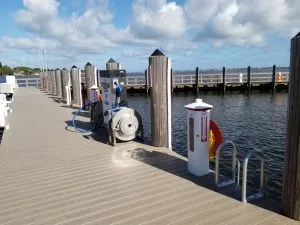
Fuel docks and service areas require careful placement to support both safety and efficiency. Positioning these docks in accessible but controlled areas reduces congestion and helps maintain safe navigational flow. Proper dock power placement, including each power pedestal, should be organized to prevent tripping hazards and electrical strain. A well-positioned fuel and service dock improves turnaround time while protecting your modern marina from avoidable risks.
Dock Power Placement and Electrical Planning
Correct placement of power stations reduces labor and repair costs. When dock power placement is part of your early dock planning process, your marina operates more efficiently and safely. Thoughtful electrical planning protects your investment and supports long-term performance.
Strategic placement of each power pedestal provides several important benefits:
- Minimizes long extension cords and temporary hookups that create clutter and strain on the system
- Reduces trip hazards and safety incidents along walkways and floating docks
- Simplifies maintenance and future upgrades by keeping wiring organized and accessible
- Optimizes energy usage and helps prevent electrical overloads that can damage equipment
- Enhances boater satisfaction and overall operational efficiency in your modern marina
When power stations are positioned correctly within your marina layout design, you create a safer, more reliable, and more structured environment for boat owners while keeping marina infrastructure costs under control.

Comparing Poor vs. Smart Marina Layouts
Not all marinas are created equal. The difference between a poorly planned marina layout and a smart marina layout shows up in daily operations, safety, and costs over time. When you compare the two side by side, it becomes clear how thoughtful dock planning supports smoother operations and higher customer satisfaction.
| Layout Factor | Poor Layout | Smart Layout |
| Dock Spacing | Slips are tight and congested, leaving little room for boat maneuverability. This increases the risk of collisions and structural wear. | Dock space is optimized based on boat size, traffic patterns, and the number of slips. Boats can enter and exit safely with clear turning lanes. |
| Power Placement | Dock power placement is random or inconvenient, forcing the use of long cords and temporary hookups that create safety risks. | Power pedestal locations are centralized, safe, and easily accessible. Electrical systems are organized to support efficiency and future upgrades. |
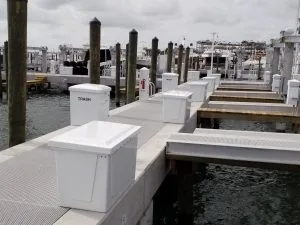
| Storage Areas | Storage is located far from the docks, requiring extra labor to move equipment and supplies. | On-site storage areas are placed near work zones, improving efficiency and reducing unnecessary movement. |
| Maintenance Access | Limited access points make it difficult to bring in equipment or perform repairs without disrupting boat owners. | Clear pathways allow maintenance teams to reach floating docks, fuel docks, and service areas quickly and safely. |
| Safety and Customer Experience | Congestion, confusion, and poor traffic flow lead to frequent complaints and safety concerns. | Smooth traffic flow, visible safety features, and organized dock design create fewer issues and better satisfaction for boat owners. |
A smart marina layout reduces marina infrastructure costs over time and creates a more reliable, modern marina environment. When your layout supports safe navigational routes, organized dock design, and efficient service areas, your marina is positioned for long-term success.
How Dock Planning Impacts Long-Term Marina Infrastructure Costs
Even small mistakes in your marina layout design can lead to higher marina infrastructure costs over time. When dock planning is done correctly from the start, you reduce unnecessary labor hours spent moving boats, relocating equipment, or managing traffic issues. A smart marina layout also lowers repair and replacement costs because docks, utilities, and safety features experience less strain and damage.
Careful dock design can also help reduce insurance and liability risks by improving safe navigational flow, minimizing trip hazards, and placing fire extinguishers and power pedestal stations in accessible locations. When boat owners feel safe and operations run smoothly, customer complaints decrease, and turnover slows down. Over the long term, thoughtful dock planning protects your investment and strengthens the overall performance of your marina.
How Dock Boxes Unlimited Helps with Strategic Marina Planning
Strategic marina layout design requires more than placing docks in the water. It takes careful evaluation of traffic flow, vessel size, dock space, and long-term operational goals. Dock Boxes Unlimited supports marina owners by helping you plan layouts that improve efficiency, safety, and cost control over time.
Support includes:
- Evaluating marina traffic flow and vessel types to ensure safe navigational movement and proper slip sizing
- Optimizing dock placement and slip orientation to improve maneuverability and reduce structural wear
- Advising on strategic dock power placement so each power pedestal is accessible, organized, and positioned for future growth
- Recommending storage, fuel docks, and service dock positioning to streamline daily operations and reduce labor hours
- Supporting both retrofits and new marina construction to help you design a marina that meets modern performance standards
With careful dock planning and modern design principles, you can reduce marina infrastructure costs, improve safety features, and create a well-designed marina that serves boat owners efficiently for years to come.
Marina Layout Design FAQs
Why does marina layout design impact operating costs?
Marina layout design determines how efficiently boats, staff, and equipment move throughout the property. Poorly planned layouts can create bottlenecks, increase labor requirements, and lead to higher maintenance costs for docks and infrastructure. Strategic placement of slips, walkways, and service docks minimizes these inefficiencies. Over time, these design choices directly affect long-term operating costs and overall profitability.
How does dock power placement affect marina expenses?
Dock power placement affects both safety and operational efficiency. Improper placement can require longer extension cords, increase the risk of electrical hazards, and make maintenance more complicated. Strategically positioned power outlets reduce labor, prevent equipment damage, and lower the likelihood of costly repairs. Well-planned electrical infrastructure also improves boater satisfaction and reduces insurance liability.
Can poor dock planning lead to safety issues?
Yes, poorly planned docks can create uneven surfaces, tight slip arrangements, and obstructed walkways, all of which increase the risk of accidents. Congested areas may also make it difficult for emergency personnel or maintenance crews to access critical zones. Proper dock spacing, clear access points, and safe service dock positioning reduce the likelihood of accidents. A safer marina not only protects people but also lowers potential liability costs.
How do storage and service dock placement influence long-term costs?
Storage and service areas that are far from docks increase the time and effort required for daily operations. Employees may spend extra hours moving equipment or supplies, which raises labor costs and slows down servicing boats. Placing storage and service docks close to high-traffic areas improves efficiency and reduces wear on equipment. Over time, this strategic planning saves money and helps maintain the marina’s infrastructure.
How can Dock Boxes Unlimited help with marina layout decisions?
Dock Boxes Unlimited works with marina operators to evaluate current layouts and recommend improvements based on operational efficiency and long-term cost savings. We assess slip arrangements, dock power placement, walkways, and service areas to ensure everything functions smoothly. We also provide guidance on retrofits or new constructions to avoid future expenses. Our expertise ensures that marina layout decisions lead to safer, more efficient, and cost-effective operations.
Marina Layout Design for Long-Term Success
Strategic marina layout design plays a direct role in controlling infrastructure costs and improving daily operations. When you focus on smart dock planning, proper dock power placement, and efficient use of dock space, you create a safer and more organized environment for boat owners. A well-designed marina supports durability, smoother traffic flow, and an overall better experience for visitors.
As infrastructure experts serving marinas worldwide, we provide durable floating docks, dock accessories, and layout guidance that support efficient marina planning. With experience in both retrofits and new construction, practical solutions are offered to help you improve safety features, optimize dock design, and build a modern marina that performs reliably for years to come.
Contact us today to discuss your marina project and start planning a layout that ensures lasting success.