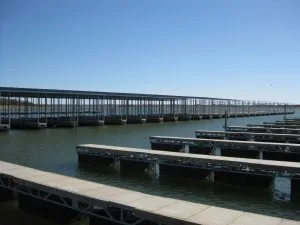
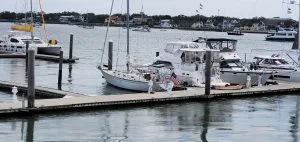
When a dock starts to sag, shift, or sit unevenly in the water, most marina owners blame wear and tear. But in many cases, the real issue is beneath the surface: underperforming dock floats. Marina dock floats are the structural backbone of floating dock systems. They determine stability, safety, load capacity, and long-term performance for slips, walkways, and service docks.
Choosing the right dock floats for marina applications protects your investment, reduces maintenance costs, and creates a safer experience for boaters and staff. Here’s what you need to know about selecting high-capacity dock floats, and how Dock Boxes Unlimited helps marinas make the right call the first time.
Key Takeaways
- Marina dock floats determine the stability and safety of floating dock systems
- High-capacity dock floats are essential for commercial marina environments
- Improper float selection leads to uneven docks and long-term structural issues
- Load calculations should account for slips, walkways, and service dock demands
- Dock Boxes Unlimited helps marinas select durable, performance-driven dock floats
What Marina Dock Floats Actually Do
Marina dock floats provide buoyancy and load distribution for floating dock systems. They support the structural framing while compensating for tidal changes, wake impact, and variable weight loads from vessels, fuel carts, maintenance equipment, and pedestrian traffic.
Without properly specified dock floats for marina use, docks can experience uneven flotation, premature structural fatigue, and safety hazards.
The Hidden Risks of Low-Quality Dock Floats
Not all dock floats are built the same. Some use lower-grade materials or are rated for lighter loads, which may seem fine at first but can create big problems over time. Choosing the wrong float can lead to uneven docks, extra maintenance, and safety hazards that affect both staff and boaters.
Low-quality floats can cause issues like:
- Water absorption that reduces flotation over time
- Cracking or deformation under heavy loads
- Corrosion of embedded hardware
- Uneven dock surfaces that increase trip hazards
- Shortened lifespan of the entire floating dock system
High-capacity dock floats are designed to handle real-world conditions in busy marinas. They resist water, impact, and heavy traffic, maintaining stability even under extreme loads. Investing in quality floats reduces maintenance, prevents downtime, and ensures the floating dock system performs safely for years.
How to Choose the Right Dock Floats for Marina Applications
Selecting marina dock floats means thinking about both weight and water conditions. Every dock section carries different loads, and the floats need to handle all of them safely. Environmental factors like waves, wakes, and changing water levels also play a big role in keeping docks stable and safe over time.
Slip Applications
Boat slips need floats that can handle the full weight of the vessel, plus people and gear. Mooring and docking put stress on certain areas, and wakes from passing boats can add extra movement. Proper buoyancy distribution ensures the dock stays level even when boats are boarded, fueled, or loaded with supplies. Choosing floats that match the size and weight of vessels prevents sagging and reduces long-term structural issues.
Walkways and Main Access Docks
Walkways and main docks carry steady foot traffic and occasional carts, maintenance equipment, or fuel trolleys. Floats in these areas need to provide even support across the deck so that surfaces don’t tilt or shift under use. Uniform stability makes walking safer for boaters and staff while protecting the decking from stress damage. High-quality floats keep these busy areas solid and reliable, even during peak use.
Service and Fuel Docks
Service docks see the heaviest and most concentrated loads, from fuel tanks to service carts and maintenance crews. Floats must be strong enough to handle peak-use scenarios without sagging or tipping. Correct load calculations and high-capacity dock floats help maintain balance and prevent stress on the frame. Properly engineered floats in service areas reduce maintenance needs and extend the life of the dock system.
Comparing Standard vs. High-Capacity Dock Floats
Not all dock floats are created equal. Some are designed for light, occasional use, while others are built to handle heavy, continuous loads. Choosing the right type of dock float is critical for keeping docks level, safe, and long-lasting, especially in commercial marinas or areas with heavy traffic. Understanding the differences between standard and high-capacity dock floats helps operators make the best decision for each application.
| Feature | Standard Dock Floats | High-Capacity Dock Floats |
| Load Rating | Light to moderate | Heavy commercial loads |
| Material Density | Lower-density foam | High-density encapsulated foam |
| Impact Resistance | Moderate | Enhanced structural durability |
| Water Resistance | Basic protection | Advanced sealed construction |
| Best Use | Small private docks | Commercial marinas & service docks |
High-capacity dock floats are typically recommended for marina dock floats because they are engineered for demanding conditions. They handle heavier loads, resist wear and tear, and maintain stability under continuous use. Investing in high-capacity options reduces maintenance needs, prevents uneven docks, and ensures the floating dock system performs safely for years. For commercial environments, these floats are often the smarter long-term choice.
Why Floating Dock Systems Depend on Proper Float Engineering
Floating dock systems work as one connected structure. The frame, decking, anchors, and dock floats all rely on each other to stay stable and safe. When dock floats are too small, unevenly spaced, or not designed for the load, the whole system can be affected.
Structural alignment may shift, the load can become unbalanced, anchors may pull unevenly, and the deck surface can tilt or warp. These issues can damage the dock over time and create hazards for people using it. Choosing the right size, placement, and capacity of dock floats ensures the system works together, keeps docks level, and extends the life of the floating dock. Proper engineering up front makes the dock safer and easier to maintain for years.
How Dock Boxes Unlimited Supports Marina Projects
Dock Boxes Unlimited works directly with marina operators, engineers, and contractors to specify marina dock floats based on real-world performance requirements.
Our experts help by:
- Evaluating load calculations for slips, walkways, and service docks
- Recommending appropriate high-capacity dock floats
- Ensuring compatibility with existing floating dock systems
- Supplying durable, marine-grade flotation solutions
- Supporting both new construction and retrofit projects
This consultative approach reduces costly rework and extends the lifespan of marina infrastructure.
The Long-Term Cost of Getting It Wrong
Even with the right engineering, choosing low-quality or undersized dock floats can undo all that careful planning. Docks may sag, shift, or become uneven faster than expected, which can lead to expensive repairs or even premature replacement. Maintenance demands go up, safety risks increase for staff and boaters, and operational downtime can disrupt marina activities.
Investing in high-quality, marina dock floats helps prevent these problems. Strong, properly designed floats protect the dock structure, reduce maintenance needs, and keep operations running smoothly. They also safeguard the marina’s reputation, showing visitors and boat owners that safety and stability are a top priority.

Marina Dock Float FAQs
What are marina dock floats, and why are they important?
Marina dock floats are buoyant components that support floating dock systems, keeping docks level and stable in the water. They distribute weight from vessels, pedestrians, and equipment evenly across the dock structure. Properly designed dock floats ensure safety, prevent sagging, and extend the lifespan of the dock. Without them, docks can become uneven, unsafe, and prone to premature structural damage.
How do high-capacity dock floats differ from standard dock floats?
High-capacity dock floats are built to support heavier loads and withstand more demanding marine environments. They are made from high-density, encapsulated foam and feature enhanced impact and water resistance. Standard dock floats are suitable for small private docks but may deform, absorb water, or fail under commercial use. Choosing high-capacity dock floats for marina applications ensures long-term durability and safety.
Can low-quality dock floats cause safety issues?
Yes, low-quality dock floats can absorb water, crack under heavy loads, or become uneven over time. This can create trip hazards, unstable decking, and even structural misalignment in floating dock systems. Using engineered, high-capacity dock floats minimizes these risks and ensures the dock remains stable under pedestrian and equipment traffic. Safety and dock longevity are directly tied to the quality of the floats.
How do I determine the right dock floats for slips, walkways, or service docks?
Selecting the right dock floats requires evaluating load demands, environmental factors, and peak-use scenarios. Slips need floats that can handle vessel weight and wake exposure, while walkways must support pedestrian and occasional equipment loads. Service docks often require high-capacity dock floats capable of handling concentrated loads like fuel carts and maintenance equipment. Consulting professionals ensures the correct floats are chosen for each dock type.
How can Dock Boxes Unlimited help with dock float selection?
Dock Boxes Unlimited works with marina operators and engineers to evaluate load requirements, dock types, and environmental conditions. They recommend high-capacity dock floats compatible with existing floating dock systems and provide guidance for new construction or retrofits. By selecting the right floats, DBU helps marinas reduce maintenance costs, prevent structural issues, and maintain a safe and stable dock environment. Their expertise ensures docks perform optimally for years. If you would also like to see calculation tips for choosing the right floats for your dock, see our Dock Float Calculation Guide.
The Importance of High Quality Marina Dock Floats
Choosing the right dock floats keeps floating docks level, safe, and built to last. High-capacity, properly engineered marina dock floats protect slips, walkways, and service docks while reducing maintenance and preventing costly problems.
As marina infrastructure experts, we provide durable, marine-grade dock floats designed for real-world marina conditions. Our solutions support new construction and retrofits, helping docks handle heavy loads, traffic, and environmental stress so marinas stay safe and operational.
Our dock floats are backed by a 15-year limited manufacturer’s warranty covering cracking, peeling, and UV degradation under normal conditions. This prorated warranty provides up to 100% coverage during the first ten years, with continued protection through year fifteen, giving marina owners added confidence in long-term performance.
Contact us today to find the right dock floats for your marina and keep your docks performing at their best. Reliable, high-quality flotation starts here.