
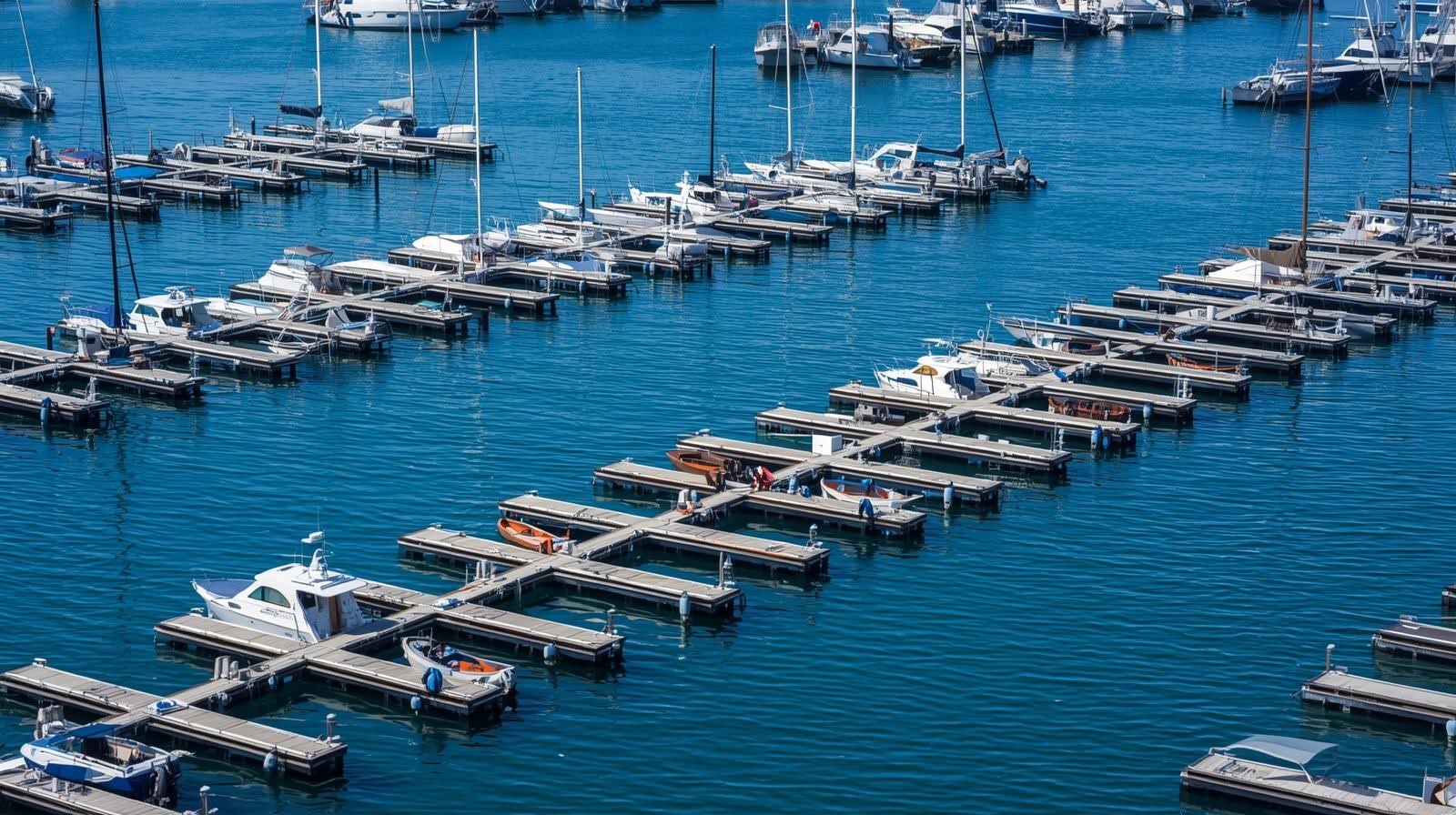
A successful marina upgrade starts with more than surface-level improvements; it depends on the strength of what’s beneath your docks. If your infrastructure isn’t built to support constant use, changing water conditions, and heavy loads, even the most attractive marina can quickly run into safety and performance issues.
That’s where dock floats come in. These foundational components directly impact stability, reliability, and day-to-day operations, yet they’re often overlooked during planning. Ignoring their condition or compatibility can lead to costly disruptions, premature wear, and safety risks.
By prioritizing the right dock float solutions from the start, you set your marina up for smoother operations, longer lifespan, and a better experience for every vessel that comes through.
Key Takeaways
- Dock floats serve as the backbone of marina infrastructure by providing essential stability and safety
- Recognizing early signs of wear helps prevent larger structural issues and costly repairs
- Properly integrating new dock floats with existing systems supports smooth, uninterrupted operations
- Custom dock float solutions can meet specific marina needs while improving overall appearance
- Routine maintenance extends the lifespan of dock floats to last for years
Why Dock Floats Are Essential for Marina Infrastructure
When it comes to marina infrastructure, dock floats are the unsung champions. They provide the buoyancy that keeps your docks stable, ensuring that everything from small boats to grand yachts can be safely moored. Without these essential components, your marina’s functionality could falter, leading to safety hazards and operational chaos.
Heavy-duty dock floats are designed to withstand harsh marine environments, resisting the wear and tear caused by waves, weather, and frequent use. Their role is to maintain optimal buoyancy, a critical factor in keeping the docks level and secure. By supporting varying weights, dock floats contribute to the overall durability of marina structures, making them indispensable in any dock system.
Moreover, dock floats integrate seamlessly with other infrastructure elements, enhancing performance across the board. They work in tandem with dock flotation and buoyancy systems, ensuring that your marina remains a safe haven for vessels of all sizes. Whether you’re embarking on a new dock project or upgrading an existing one, consider the pivotal role of dock float drums in your planning.

Recognizing When Your Dock Floats Need an Upgrade
Staying ahead of dock float issues helps protect your marina from costly repairs and unexpected downtime. Over time, exposure to water, weather, and constant use can wear down even high-quality floats. Knowing what to look for allows you to address problems early and maintain a safe, stable dock system. Common signs your dock floats may need an upgrade include:
- Visible cracks, splits, or structural damage that weaken durability
- Floats sitting lower in the water, signaling waterlogging and reduced buoyancy
- Uneven or unstable dock surfaces that impact safety and usability
- Frequent repairs or ongoing maintenance issues that indicate declining performance
Taking a proactive approach to these warning signs can extend the life of your entire dock system and improve overall reliability. Upgrading to heavy-duty dock floats not only restores proper buoyancy but also strengthens safety and performance. With the right solution in place, your marina can continue operating smoothly without constant repairs or disruptions.
Integrating Dock Floats with Existing Dock Structures
Planning to upgrade your dock floats doesn’t have to mean starting from scratch. With the right floats and proper planning, new components can integrate seamlessly with your existing dock framework, wood, steel, or aluminum, without major disruptions to marina operations. Compatibility with current dock materials is key, and professional assessments can help identify the best approach for your specific setup.
Advanced design options provide the flexibility needed to adapt to virtually any dock configuration. Whether you’re managing a commercial marina or a residential dock, integrating new floats can meaningfully improve stability, buoyancy, and long-term resilience.
Your Single Source for Dock Float Solutions
Since 1993, Dock Boxes Unlimited has helped marina operators and private dock owners find the right float solutions for their unique needs. With over 70 sizes available and a proprietary single-piece, rotationally-molded design that eliminates leaks and seams, their dock floats attach easily to any existing framework. From selection to installation guidance, their team is committed to making every project a success, regardless of size or complexity.
Customizing Dock Floats for Unique Marina Needs
Every marina has its own unique layout, water conditions, and vessel requirements. Choosing the right dock floats allows you to meet these specific needs while improving safety, performance, and aesthetics. With a wide range of sizes, buoyancy levels, and materials available, customization ensures your dock system is both durable and tailored to your marina’s environment.
| Float Size (W × D × H) | Weight (lbs) | Buoyancy (lbs) | Key Features | Ideal Use |
| 36″ × 72″ × 12″ | 61 | 950 | One-piece rotomolded, flat top, mounting slots | Standard residential or small marina docks |
| 36″ × 72″ × 16″ | 69 | 1270 | High buoyancy, impact and freeze resistant | Medium-duty docks, heavier vessels |
| 36″ × 72″ × 24″ | 92 | 1850 | Extra durability, resists watercraft bumps | Commercial or high-traffic docks |
| 36″ × 48″ × 12″ | 41 | 620 | Compact design, easy installation | Smaller docks or limited space areas |
| 36″ × 48″ × 28″ | 70 | 1450 | High-capacity float | Heavier load docks, challenging water conditions |
| 48″ × 96″ × 16″ | 127 | 2310 | Large float, extreme durability | Commercial docks or large marina sections |
| 36″ × 120″ × 32″ | 190 | 4398 | Maximum buoyancy, all-weather resistant | Large-scale marina projects or high-load areas |
By selecting the right combination of size, buoyancy, and materials, you can create a dock system that handles waves, supports your vessels safely, and complements your marina’s look. Professional guidance ensures these choices align with long-term goals, budget, and specific usage patterns.
Essential Maintenance Tips for Prolonging Dock Float Life
Routine maintenance plays a critical role in keeping your dock floats performing at their best. Constant exposure to water, debris, and marine growth can gradually impact their durability and buoyancy. A consistent care plan helps you catch minor issues early and avoid larger, more expensive problems down the line. Key maintenance practices to keep your dock floats in top condition include:
- Performing regular inspections to identify any wear, or structural concerns early
- Cleaning floats to remove algae, barnacles, and debris that can cause damage over time
- Scheduling routine maintenance to ensure all dock components function properly
- Storing and handling floats correctly during the off-season to prevent unnecessary wear
Taking a proactive approach to maintenance extends the lifespan of your dock floats and strengthens your overall dock system. It also reduces the likelihood of unexpected repairs and operational disruptions. With consistent upkeep, your marina can maintain reliable performance while protecting your long-term investment.
Dock Float Upgrade Questions
What are dock floats made of?
Dock Boxes Unlimited dock floats are crafted from durable one-piece rotationally molded design with high-density polyethylene, which is a type of plastic known for its strength and resistance to impact. Inside, our dock floats are filled with PS expanded polystyrene styrofoam using proprietary technology to ensure buoyancy and durability. This construction makes them weather-resistant and able to withstand the harsh marine environment. The materials are chosen to prevent corrosion and damage from UV rays, ensuring a long-lasting foundation for your dock.
Can I leave my floating dock in the water during winter?
In the face of nature’s challenges, our dock floats stand strong with a weather-resistant and UV-resistant outer shell. Constructed from linear virgin polyethylene resin, fortified with UV ray inhibitors and carbon black pigment, this heavy-duty shell offers unparalleled protection against the elements. From extreme weather conditions to the corrosive effects of saltwater, oils, pollutants, and debris, our dock float drums are equipped to endure it all.
What is the purpose of a floating dock?
A floating dock provides a stable, adaptable platform for accessing water-based activities. Unlike fixed docks, they adjust with changing water levels, making them ideal for fluctuating tides or water levels. They’re versatile and can be used for boating, swimming, fishing, or simply relaxing by the water. Their buoyant nature ensures safety and stability, offering a practical solution for many waterfront properties.
What is the life expectancy of a floating dock?
A well-maintained floating dock can last 20 to 30 years, depending on materials, environmental conditions, and maintenance practices. Regular inspections, proper care, and timely repairs can extend its lifespan. High-quality materials like high-density polyethylene and robust construction can withstand harsh weather and heavy use, ensuring your dock remains functional and safe for decades.
How do you secure a floating dock to the shore?
Securing a floating dock to the shore typically involves using a combination of anchoring systems and flexible connections. Chains, ropes, or cables are common, providing a secure yet adaptable link. Pilings or anchor points on the shore can be used for additional stability. The goal is to allow the dock to move with water changes while preventing it from drifting away, ensuring safe and reliable access to the water.
Dock Floats That Support Long-Term Marina Performance
Dock floats are a critical part of marina infrastructure, directly impacting safety, stability, and daily operations. Well-maintained and properly selected dock floats help prevent structural issues, support varying vessel sizes, and ensure smooth, reliable dock performance. By addressing the right size, material, and configuration, marina operators can enhance both functionality and the overall appeal of their waterfront facilities.
As dock float specialists serving marinas nationwide, we help operators evaluate existing dock systems, plan upgrades, and implement durable solutions that integrate seamlessly with current structures. Our support covers every step of the process, from float selection and layout planning to installation guidance and long-term maintenance strategies.
- Assess and plan your dock float layout: Review water conditions, dock usage, and vessel types to determine the ideal float placement and size.
- Provide durable, high-performance floats: Select seamless, heavy-duty floats built to withstand waves, freezing rain, and everyday wear.
- Streamline implementation: Ensure new floats integrate seamlessly with existing docks for consistent stability and buoyancy.
- Support ongoing maintenance and upgrades: Guidance on inspections, cleaning, and replacements keeps your docks safe and reliable year after year.
- REAL people. REAL support™: Work with a team of marina professionals who understand the challenges of dock systems and help maintain safe, efficient, and resilient infrastructure.
Contact us today to discuss your dock float needs and discover how the right solutions can enhance safety, operational efficiency, and long-term marina performance.


